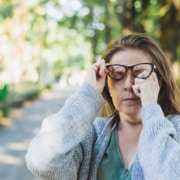
Older woman rubbing at her eye, possibly due to a recurring pterygium after eye treatment.

Can a Pterygium Grow Back After Treatment or Eye Surgery?

A pterygium is a noncancerous growth of tissue that develops on the surface of the eye and may gradually extend toward the cornea. While treatment can relieve irritation and improve the eye’s appearance, patients may also want to know whether the growth can return after removal.

At Maehara Eye Surgery & Laser in Honolulu, Dr. Jeffrey Maehara is a fellowship-trained Anterior Segment-Glaucoma Specialist with extensive experience in corneal, cataract, glaucoma, and refractive procedures. His advanced training helps support careful evaluation of pterygium and other conditions affecting the front surface of the eye. 

Knowing why recurrence can occur is an important part of considering pterygium treatment.

Can a Pterygium Return After Surgery?

Yes. A pterygium can grow back after surgical removal, although recurrence is not inevitable. The likelihood of regrowth can depend on the surgical approach, the individual healing response, and continued exposure to environmental irritants.

Recurrent tissue may sometimes grow more aggressively than the original pterygium, making follow-up care particularly important after surgery.

What May Increase the Risk of Recurrence?

Several factors may influence whether a pterygium returns, including:

  • Frequent exposure to ultraviolet light
  • Wind, dust, and other environmental irritants
  • Ongoing inflammation of the eye surface
  • Individual healing characteristics
  • The technique used during pterygium removal

Hawaii’s sunny climate makes ultraviolet protection especially important for patients in Honolulu and throughout the Islands.

How Is Pterygium Treatment Performed?

Not every pterygium requires surgery. Mild cases may be monitored and managed with lubricating or anti-inflammatory eye drops when appropriate.

Surgical treatment may be considered when a pterygium causes persistent irritation, affects vision, grows toward the center of the cornea, or creates significant cosmetic concerns. Modern surgical techniques may include covering the area where the growth was removed with healthy tissue to help reduce the chance of recurrence.

Can Patients Help Reduce Regrowth?

After treatment, following postoperative instructions and attending scheduled eye examinations can help support proper healing. Patients may also be advised to protect their eyes from UV exposure with quality sunglasses and, when possible, reduce exposure to wind, dust, and dryness.

Evaluate any new redness, irritation, or visible tissue growth rather than ignoring it.

Discuss Pterygium Treatment in Honolulu, HI

A returning pterygium doesn’t automatically mean another procedure is needed, but early evaluation can help determine the right next step. Maehara Eye Surgery & Laser provides individualized assessment for patients dealing with pterygium symptoms or recurrence concerns. 

Call 808-955-3937 to schedule a consultation in Honolulu, HI, and discuss available pterygium treatment options.
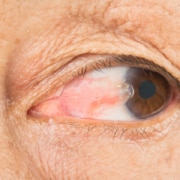

Close-up of an older woman suffering from a pterygium growing in her eye and affecting her vision.

Can Surfer’s Eye Lead to Astigmatism and Prescription Changes?

Surfer’s eye can be easy to dismiss as a surface irritation, but a growing pterygium can sometimes affect more than comfort or appearance. If it begins changing the shape of the cornea, it may contribute to astigmatism, blurry vision, or changes in a glasses or contact lens prescription.

Raised in Honolulu, Jeffrey Maehara, MD, trained at Tulane Medical School and has extensive experience treating corneal and other anterior eye conditions. For patients in Hawaii who spend significant time outdoors, recognizing when a pterygium is beginning to affect vision can help guide the next step in care.

How Can Surfer’s Eye Affect Vision?

A pterygium typically grows from the white part of the eye toward the cornea, which is the clear front surface of the eye. As the growth becomes larger, it can pull on or distort the cornea.

That change in shape may make vision less sharp or make an existing prescription less accurate. Some patients may notice that their vision seems blurry even after updating their glasses or contacts.

Can Surfer’s Eye Cause Astigmatism?

Yes, surfer’s eye can contribute to astigmatism when the growth changes the cornea’s natural curve. Astigmatism occurs when the cornea is shaped unevenly, causing light to focus improperly inside the eye.

Possible vision changes may include:

  • Blurry or distorted vision
  • More frequent prescription changes
  • Difficulty seeing clearly at certain distances
  • Increased glare or visual strain

The amount of astigmatism can vary depending on the pterygium’s size and location.

When Does a Pterygium Need Treatment?

Not every pterygium requires surgery. Smaller growths that don’t affect vision may be monitored, especially if symptoms are limited to occasional redness or irritation.

Treatment may become more appropriate when the growth:

  • Continues moving toward the center of the cornea
  • Causes significant irritation
  • Creates noticeable astigmatism
  • Leads to repeated prescription changes
  • Begins interfering with daily vision

An eye exam can show whether the pterygium is changing the corneal shape enough to affect sight.

How Is Surfer’s Eye Treated?

Early management may include lubricating eye drops or other measures to reduce irritation. If a pterygium becomes large or begins affecting vision, doctors may recommend surgical removal.

The goal is to remove the abnormal tissue while preserving a smooth, clear corneal surface. Treatment recommendations depend on the size of the growth, symptoms, vision changes, and overall eye health.

Get Surfer’s Eye Evaluated in Honolulu, HI

Surfer’s eye can be more than a cosmetic concern when it changes the shape of the cornea or affects vision. Dr. Jeffrey Maehara can evaluate whether a pterygium is contributing to astigmatism or prescription changes and discuss appropriate treatment options. 

To have surfer’s eye evaluated in Honolulu, HI, call 808-955-3937 to schedule a consultation.

Two women surfing and diving beneath the waves, in danger of getting Surfer's Eye or Pterygium.

What Causes Pterygium (“Surfer’s Eye”) And How To Prevent It

Living in Honolulu means enjoying year-round sunshine, ocean breezes, and outdoor living—but these same elements can put your eyes at risk. One common condition in Hawaii’s coastal climate is Surfer’s Eye, medically known as pterygium, a growth on the eye’s surface that can lead to discomfort, redness, and vision changes. 

Dr. Jeffrey Maehara, a board-certified ophthalmologist and fellowship-trained anterior segment-glaucoma specialist, offers advanced treatment options rooted in over 30 years of family-led eye care. He is also trained in regenerative and preventive medicine, combining clinical expertise with whole-body wellness. Whether you surf daily or simply enjoy time outdoors, knowing what causes Surfer’s Eye and how to prevent it can help preserve your vision and overall eye health.

What Is Surfer’s Eye?

Surfer’s Eye, or pterygium, is a non-cancerous tissue growth that starts on the white of the eye and may extend toward the cornea. Though it might remain small, in some cases it can enlarge enough to cause vision issues or become cosmetically noticeable.

The condition is especially common among people regularly exposed to sun, wind, and saltwater—making it prevalent in coastal areas like Honolulu.

Common Causes Of Pterygium

Pterygium often develops due to long-term exposure to environmental irritants. Common contributing factors include:

  • Ultraviolet (UV) light from the sun
  • Windy, dusty conditions
  • Dry air and irritation from saltwater
  • Lack of protective eyewear outdoors

These factors trigger changes in the eye’s surface tissue, leading to the gradual development of the growth.

Signs And Symptoms

Symptoms of Surfer’s Eye can vary depending on the severity of the growth. While some people may not notice it early on, others experience:

  • Redness or a bloodshot appearance
  • Irritation or a gritty feeling
  • Blurred or obstructed vision if the growth reaches the cornea
  • A raised, pinkish tissue visible on the white of the eye

Persistent discomfort or changes in vision should be evaluated by an eye care provider.

How To Prevent Surfer’s Eye

Preventive habits can help reduce the risk of developing pterygium, particularly for those spending time outdoors. Tips include:

  • Wearing UV-blocking sunglasses, ideally wraparound styles
  • Using wide-brimmed hats to shield eyes from direct sunlight
  • Applying artificial tears to avoid dryness
  • Limiting sun exposure during midday hours
  • Washing out eyes after swimming in the ocean

Consistency with these measures can help preserve both the health and appearance of your eyes.

Advanced Surfer’s Eye Care In Honolulu, HI

If you’re dealing with eye irritation, visible growth, or vision changes caused by Surfer’s Eye, relief is within reach. Mild cases can often be managed with prescription eye drops, while more advanced cases may require surgical treatment to improve both vision and appearance.

At Maehara Eye Surgery & Laser in Honolulu, expert care is just a call away. Schedule a consultation today by calling 808-955-3937 to explore your best options for lasting relief and clearer, more comfortable eyes.

Close up of a man surfing, putting him at a higher risk for Pterygium growth.

Pterygium Surgery: When Is It Necessary and What Are the Risks?

Pterygium is a common yet misunderstood eye condition affecting many individuals, especially those living in sunny, coastal regions like Honolulu, Hawaii. 

At Maehara Eye Clinic, founded by Dr. Dennis Maehara over 30 years ago, patients receive expert care for conditions like pterygium. His son, Dr. Jeffrey Maehara, board-certified by the American Academy of Ophthalmology and a fellowship-trained Anterior Segment-Glaucoma Specialist, provides advanced, personalized treatments. 

If you’re experiencing redness, irritation, discomfort, or unusual growth on your eye, understanding pterygium and available treatments is crucial.

What is Pterygium?

Pterygium is an eye condition featuring a pink, fleshy tissue growth on the white of the eye, potentially reaching onto the cornea. Common symptoms include redness, irritation, discomfort, and sometimes vision issues, as well as aesthetic concerns. Exposure to sunlight, wind, and sand can increase the risk and severity of pterygium, making local awareness especially important in Honolulu.

When is Pterygium Surgery Necessary?

Surgery becomes an important consideration when the growth:

  • Interferes with vision
  • Causes persistent discomfort
  • Creates significant cosmetic concerns

While non-surgical treatments, such as lubricating eye drops, may temporarily relieve symptoms, they do not prevent the pterygium from growing. Early consultation with an eye specialist can help determine the optimal timing for surgery and prevent the condition from worsening.

What Does Pterygium Surgery Involve?

Understanding the surgery can alleviate many concerns. Pterygium surgery is typically an outpatient procedure performed under local anesthesia. During surgery:

  • The abnormal growth is carefully removed.
  • A small piece of healthy tissue may be grafted onto the affected area to minimize recurrence.

Recovery is relatively swift, with most patients resuming normal activities within a few days and full healing occurring over several weeks. Modern surgical techniques employed by experienced surgeons ensure minimal discomfort and excellent outcomes.

What Are the Risks of Pterygium Surgery?

Common risks include:

  • Recurrence of the growth
  • Minor scarring
  • Temporary discomfort or redness post-surgery

Fortunately, these risks are generally minimal and manageable, especially when the procedure is performed by skilled eye surgeons. Choosing a reputable provider significantly reduces these risks, as experienced surgeons utilize advanced techniques and technology to ensure safety and effectiveness.

Benefits of Pterygium Surgery

The benefits of undergoing pterygium surgery are substantial. Patients commonly experience immediate relief from discomfort, a significant improvement in vision clarity, and an enhanced cosmetic appearance, contributing to greater self-confidence and well-being.

For residents of Honolulu, where environmental factors can exacerbate the condition, addressing pterygium early is especially beneficial. Timely treatment can significantly improve quality of life by reducing symptoms and preventing further complications, such as vision impairment. 

Personalized Pterygium Solutions in Honolulu, HI

If you are experiencing discomfort or concerns related to pterygium, it is important to seek expert advice promptly. Contact us today at 808-955-3937 to schedule a consultation to discuss your condition and discover the best treatment options tailored to your needs. Early intervention can significantly affect your comfort, vision, and overall eye health.